A paver pool deck transforms your backyard into an outdoor retreat. But when installation goes wrong, you’re stuck with sinking pavers, mold growth, and safety hazards that cost thousands to fix. After 16+ years installing pool deck pavers across Florida, we’ve seen what works and what fails. Here are the seven critical mistakes that ruin paver pool deck installations—and how to avoid them.
1. Inadequate Base Preparation
The base is everything. Skip corners here, and your entire pool deck paver installation will fail within a few years.
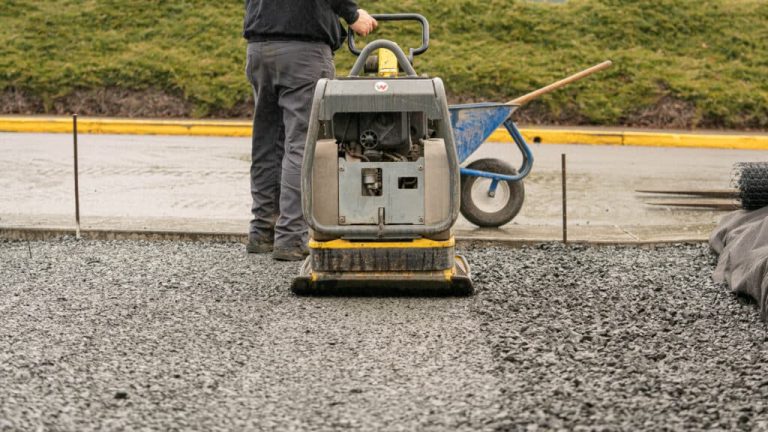
Most paver failures trace back to poor base preparation. Your pavers need 8-10 inches of properly compacted crushed stone to stay level and stable. When contractors skimp on base depth or rush through compaction, the ground beneath your pavers shifts and settles unevenly.
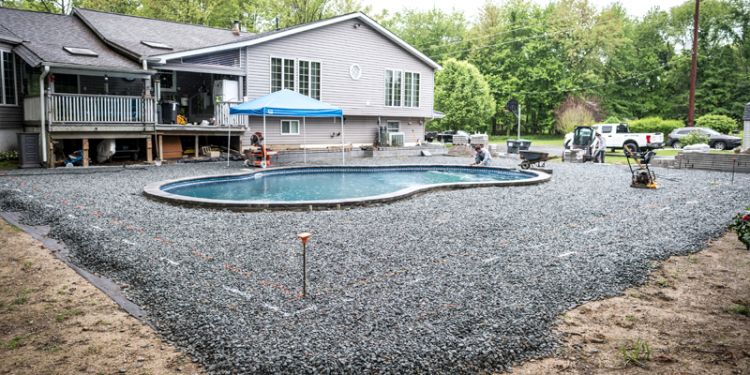
The problem gets worse around pools. During excavation, contractors backfill the void around your pool shell with dirt and gravel. If this backfill isn’t compacted properly—or if the contractor over-compacts and damages your pool wall—your pavers will sink and wobble within two years.
Proper base installation requires excavating to the right depth, then adding crushed stone in 3-4 inch lifts. Each lift needs thorough compaction with a plate compactor before adding the next layer. This process takes time, but it’s the difference between a deck that lasts 20+ years and one that needs repairs every season.
Watch out for contractors who quote prices significantly lower than competitors. They’re likely cutting corners on base preparation. When they do, you’ll face ongoing maintenance costs that quickly exceed what you would have paid for proper installation.
2. Ignoring Proper Drainage and Slope
Water pooling on your pool deck isn’t just annoying—it’s destructive. Without proper drainage, water sits on pavers, seeps into joints, and creates the perfect environment for mold, algae, and structural damage.
Your pool deck needs a minimum slope of 1/8 inch per foot (1% grade) sloping away from both your pool and your house. Many building codes require up to 1/4 inch per foot (2% grade). This slope directs splash water, rain, and deck wash runoff away from your pool and foundation.
Poor drainage causes multiple problems. Water that flows back toward your pool carries dirt, debris, and chemicals into the water, forcing your filtration system to work overtime. Water that flows toward your house can damage your foundation. Standing water in low spots promotes mold growth and makes pavers slippery and dangerous.
Professional pool deck paver installation includes strategic drainage planning. Some decks use valley drains that create a low point in the middle where water collects and drains away. Others use catch basins at natural collection points or channel drains along structures. The key is ensuring water has somewhere to go—preferably far from your pool, house, and landscaping.
Before you pour any sand or lay any pavers, test your slope with a level. Pour water on the prepared base and watch where it flows. If it pools anywhere, fix the grade before you continue.
3. Using the Wrong Sand or Skipping Polymeric Sand
The sand between your pavers isn’t decorative—it’s structural. Regular sand washes out with rain and pool splash, leaving gaps where pavers shift and weeds grow.
Standard mason sand or play sand seems fine at first. But after a few heavy Florida rainstorms, that sand washes away. You’ll see it tracked into your house and floating in your pool. The gaps left behind allow pavers to move independently, creating an uneven surface and trip hazards.
Polymeric sand solves this problem. When activated with water, polymeric sand hardens and locks pavers in place. It resists washout, inhibits weed growth, and keeps ants from colonizing the joints. The initial cost is higher than regular sand, but you won’t need to refill joints every season.
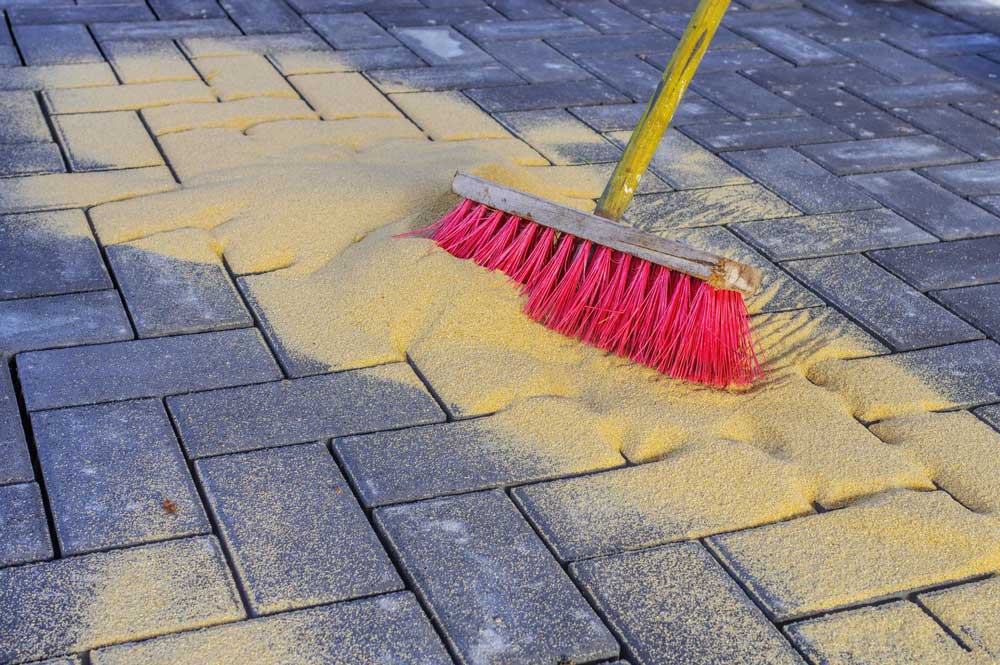
Apply polymeric sand correctly. Sweep it into joints when pavers are completely dry. Fill joints completely, then sweep excess sand off the surface before misting lightly with water. Too much water washes the polymers away before they activate. Too little water prevents proper hardening.
Some contractors skip this step entirely to save time and money. They’ll use regular sand and hope you don’t notice until after they’ve collected final payment. By then, you’re on your own dealing with sand loss and weed growth.
4. Not Accounting for Pool Wall Backfill Settlement
The area immediately around your pool shell is the most likely place for pavers to sink. Understanding why helps you demand proper installation.
When your pool was installed, contractors dug a large hole, set the pool structure, then backfilled the gap around it. This backfilled soil is loose compared to the undisturbed ground further from your pool. Even with compaction, backfill settles more than virgin soil.
Here’s the catch: contractors can’t compact backfill as thoroughly as they’d like. Too much compaction pressure can crack fiberglass shells or bend vinyl liner walls. So they compact conservatively, knowing the area might settle slightly over time.
Smart pool deck paver installation addresses this reality. Some contractors extend a concrete collar around the pool edge, creating a bridge over the backfill zone. Others add extra base material and compact it in thinner lifts to minimize settlement risk. The worst approach is ignoring the issue and hoping for the best.
If you’re replacing an existing concrete deck with pavers, you face the same settlement risk. The base under your old concrete wasn’t built for pavers. You’ll need to remove the concrete, properly prepare the base with adequate compaction, then install your pavers. Shortcuts here lead to the same wobbling, uneven surface that plagues poorly installed decks.
5. Installing Pavers Without Expansion Joints at the Pool Coping
Pavers expand and contract with temperature changes. Your pool coping doesn’t. When these two materials press against each other without room to move, something breaks—and it’s usually your expensive coping.
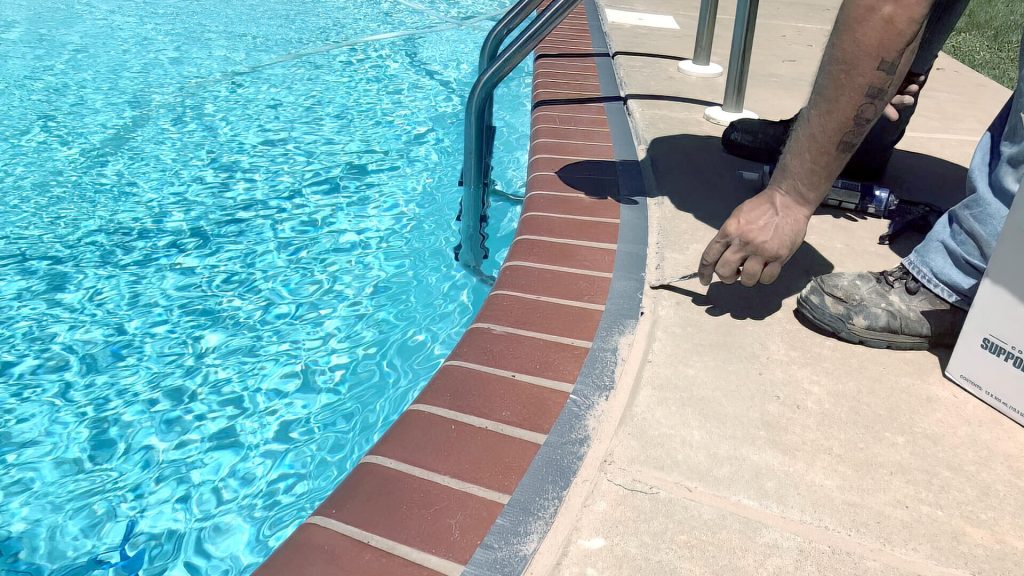
The mortared coping around your pool edge is rigid. On hot Florida days, your pavers expand slightly. If they’re installed tight against the coping with no gap, they push against it. Over time, this pressure can crack, chip, or displace your coping. We’ve seen entire coping pieces pop off because pavers had nowhere to expand.
Professional installers leave a 3/8-inch gap between pavers and coping. They fill this gap with foam backer rod, then top it with flexible, self-leveling caulk. This system allows for thermal expansion while keeping sand and debris out of the joint.
Some installers argue that the flexibility of a paver system eliminates the need for expansion joints. They’re wrong. Temperature swings in Florida are significant enough to cause movement, and the area right against your coping experiences the most stress. The small cost of proper joint material prevents expensive coping repairs.
6. Choosing the Wrong Paver Material for Pool Environments
Not all pavers work equally well around pools. The wrong choice turns your dream deck into a maintenance nightmare or a safety hazard.
Dark-colored pavers absorb heat. On a 95°F summer day, dark charcoal or black pavers can reach 150°F—hot enough to burn bare feet. Lighter colors stay significantly cooler, but color isn’t the only consideration.
Paver porosity matters around pools. Highly porous pavers absorb water, pool chemicals, and sunscreen, leading to staining and discoloration. These same pavers become rough and uncomfortable underfoot as they age. Sealed pavers resist staining better, but the sealer requires reapplication every 2-3 years.
Slip resistance is critical. Smooth pavers look elegant but become dangerously slick when wet. Textured surfaces provide better traction around pool edges where people walk with wet feet. Most building codes require slip-resistant surfaces within four feet of pool edges.
Travertine pavers are popular for pool decks because they stay cooler than most materials and provide good traction. Concrete pavers offer the most design flexibility and color options, though darker shades get hot. Natural stone pavers can be slippery when wet unless you choose textured finishes.
Consider your pool chemistry too. Salt water pools are harder on some paver materials. The salt can accelerate deterioration in lower-quality pavers or cause efflorescence (white, chalky deposits) on the surface.
7. Failing to Seal Pavers or Using the Wrong Sealer
Sealing is often treated as optional. It’s not. The right sealer protects your investment and makes maintenance easier. The wrong sealer—or no sealer at all—leads to staining, fading, and premature aging.
Unsealed pavers absorb everything: sunscreen, tanning oil, pool chemicals, food, and drinks. These stains are difficult or impossible to remove once they penetrate the paver surface. Sealed pavers resist staining because liquids sit on the surface where you can wipe them away.
Sealers also protect against UV fading. Florida sun bleaches color from pavers over time. Quality sealers contain UV inhibitors that slow this fading and keep your pool deck looking new longer.
But not all sealers work for pool environments. Some create a glossy finish that looks great but becomes slippery when wet. Others trap moisture beneath the surface, leading to problems in humid climates. Pool deck sealers need to be breathable, slip-resistant when wet, and resistant to pool chemicals.
High-traffic areas around pool entries and steps need more frequent resealing—typically every 2-3 years. Less-trafficked areas can go 3-5 years between applications. Budget for this maintenance when planning your pool deck paver installation.
Some contractors don’t seal pavers at all, leaving this “optional” service for homeowners. Others use cheap sealers that fail quickly. Ask specifically about the sealer brand, type, and expected lifespan. Get this in writing.
The Real Cost of Poor Pool Deck Paver Installation
Installation mistakes don’t just look bad—they cost real money to fix. Resetting sunken pavers requires removing them, adding and compacting base material, and reinstalling everything. Replacing damaged coping from expansion pressure runs into thousands of dollars. Dealing with constant mold, weed growth, and drainage problems turns pool ownership into a chore instead of a pleasure.
The difference between a properly installed pool deck and a failing one often comes down to the contractor’s experience and willingness to do things right. Yes, proper installation costs more upfront. But when you factor in the repairs, replacements, and ongoing maintenance problems from poor installation, that “bargain” becomes expensive fast.
Look for contractors who explain their base preparation process in detail. They should discuss soil conditions, compaction methods, and drainage plans. They should show you the materials they’ll use—especially the sand and sealer. And they should warranty their work, standing behind the installation if problems develop.
Your pool deck is a major investment in your home’s outdoor living space. It should provide years of enjoyment with minimal maintenance. That only happens when the installation is done right the first time.
Get Professional Pool Deck Paver Installation Done Right
At Hilimire Pavers, we’ve been installing pool deck pavers across New Port Richey and the surrounding Tampa Bay area for over 16 years. We know Florida’s unique challenges—the soil conditions, the weather, the way salt air and pool chemicals affect different materials. More importantly, we know how to build pool decks that last.
We never use subcontractors. Every member of our team is a trained Hilimire employee, and owner Lloyd Hilimire is often on-site ensuring quality standards are met. We never ask for deposits upfront because we’re confident in our work and want you to pay only when you’re satisfied.
Ready to transform your pool area with a professionally installed paver deck that will last for decades? Check out our pool decks installation service page to see examples of our work and learn more about our process. Or call us at (727) 457-9419 for a free, no-pressure estimate. Let’s build something you’ll love coming home to.